

Wellness care is a way of caring for your health before problems start. It focuses on balance in the body, mind, and daily habits. This approach includes healthy eating, regular movement, stress control, and preventive care. Wellness care supports long-term health, not just quick fixes.
Many people only think about health when they feel sick. Wellness care changes that mindset completely. It helps you stay strong, active, and calm in daily life. Small wellness choices can lead to big health improvements over time.
Wellness care combines physical, mental, and emotional support. It encourages routine checkups, mindful living, and healthy routines. This care model helps reduce stress and boost energy. Over time, it builds a healthier and more balanced lifestyle.
Understanding Wellness Care

Wellness care means caring for health in a complete and balanced way. It focuses on the body, mind, and daily habits. This approach supports healthy food, regular exercise, and proper sleep. It also helps manage stress and build discipline. It guides students toward steady health and better routines.
Understanding this approach supports long-term well-being. It promotes prevention and healthy choices. It improves energy, focus, and emotional balance. It builds mental strength, responsibility, and self-care. These habits help students succeed in school and college life.
What Wellness Care Really Means
Wellness care means daily care for body and mind. It includes healthy food, regular exercise, and proper sleep. This care builds balance, discipline, and calm habits. It supports prevention, steady energy, and better focus for success in school and college life.
The Core Goals of Wellness Care
The core goals of wellness care focus on prevention and long-term health. It builds healthy habits and daily discipline. Wellness care improves energy, focus, and emotional balance. It supports stress control and positive routines. These goals help students grow strong and succeed in school and college life.
Why Wellness Care Is Important for Better Health

Wellness care plays an important role in better health. It helps the body stay strong and active. This care supports healthy food, regular exercise, and proper sleep. It also helps control stress and improve daily focus. Wellness care builds good habits that protect health over time.
This care supports prevention and long-term well-being. It improves energy and emotional balance. Wellness care helps students stay calm and disciplined. It supports better learning and positive behavior. These benefits help students succeed in school and college life.
How Wellness Care Prevents Health Problems
Wellness care prevents health problems through healthy daily habits. It supports good food, exercise, and proper sleep. This care reduces stress and builds strong immunity. It promotes regular routines and self-control. These habits protect health and support steady growth in school and college life.
The Role of Wellness in Daily Life
Wellness plays an important role in daily life. It supports balance in the body and mind. Wellness helps manage stress and improve focus. It builds healthy routines and discipline. These habits support energy, confidence, and success in school and college life every day.
Key Elements of Wellness Care

Wellness care has key elements that support overall health. Physical wellness includes healthy food, regular exercise, and proper sleep. It keeps the body strong and full of energy. Mental wellness helps improve focus, learning, and stress control. Emotional wellness builds confidence, calmness, and self-control.
Social wellness encourages good relationships and teamwork. Positive habits like time management and self-care support daily routines. These elements work together to prevent health problems. Practicing them regularly helps students stay balanced, disciplined, and active. Wellness care creates a strong foundation for long-term health and success in school and college life.
Physical Wellness and Healthy Habits
Physical wellness means keeping the body strong and healthy. It includes eating nutritious food, exercising regularly, and sleeping well. These habits boost energy, improve focus, and prevent sickness. Physical wellness helps students stay active, disciplined, and ready for school and daily life.
Mental and Emotional Wellness Support
Mental and emotional wellness support helps students stay calm and focused. It improves thinking, learning, and memory. This care builds confidence, self-control, and positive feelings. Healthy habits reduce stress and improve mood. Mental and emotional wellness helps students succeed in school and daily life.
Wellness Care vs Traditional Healthcare
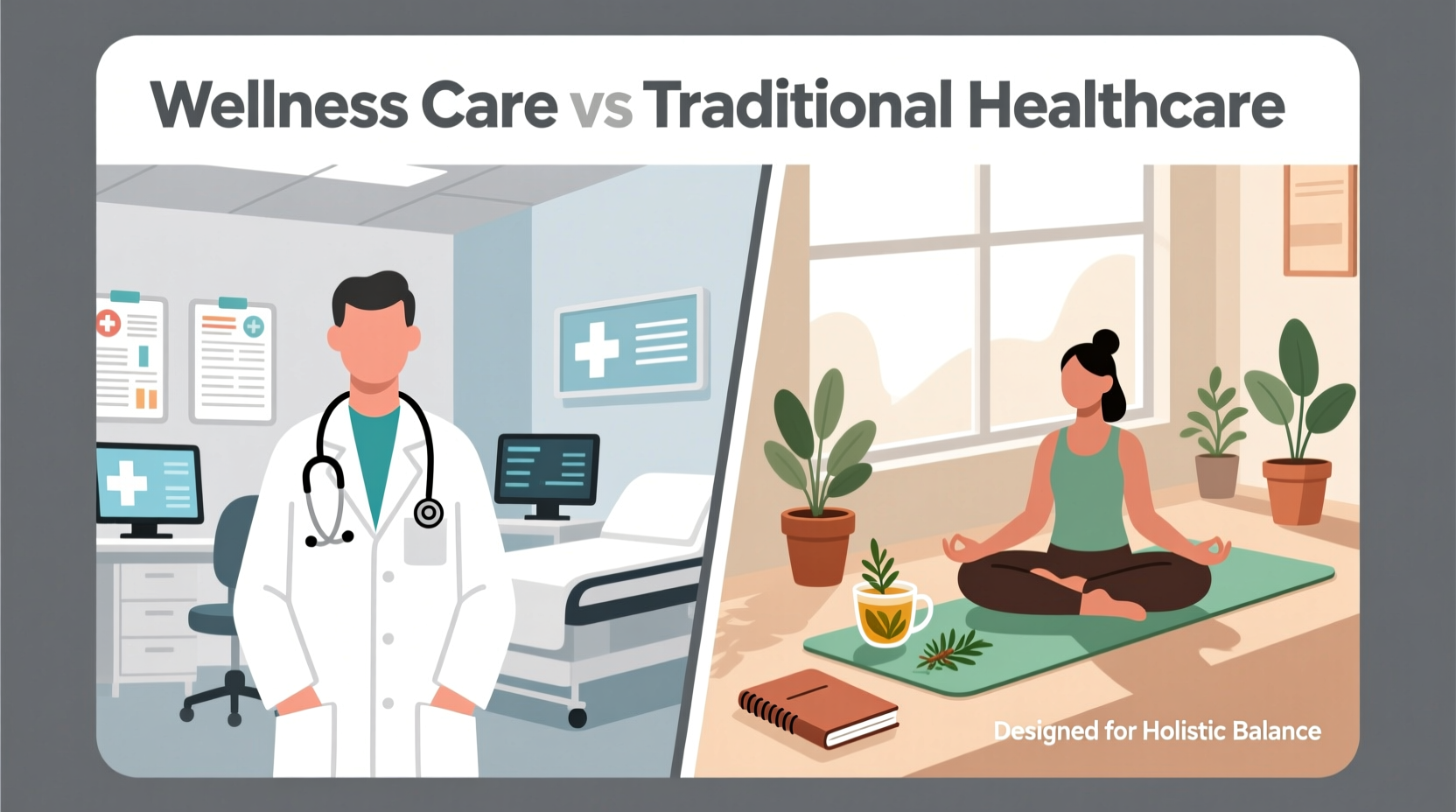
Wellness care focuses on preventing health problems before they start. It emphasizes daily habits like healthy eating, regular exercise, proper sleep, and stress management. Students practicing wellness care stay active, calm, and disciplined. It supports long-term health and a balanced life.
Traditional healthcare focuses on treating sickness and injuries after they occur. Doctors, medicine, and treatments help recover from health issues. Wellness care complements traditional healthcare by keeping the body and mind strong. Together, they improve overall health. Students benefit most when they combine wellness care with regular medical checkups and guidance.
How Wellness Care Takes a Preventive Approach
Wellness care takes a preventive approach by building healthy daily habits. It includes good food, regular exercise, proper sleep, and stress control. These habits reduce the risk of sickness and keep the body and mind strong. Prevention supports long-term health and success.
When Traditional Care Is Still Needed
Traditional care is needed when sickness, injuries, or health problems occur. Doctors, medicine, and treatments help recovery. Even with wellness care, medical attention is important for serious issues. Combining wellness habits with traditional care keeps the body and mind healthy and strong.
How to Start a Wellness Care Routine
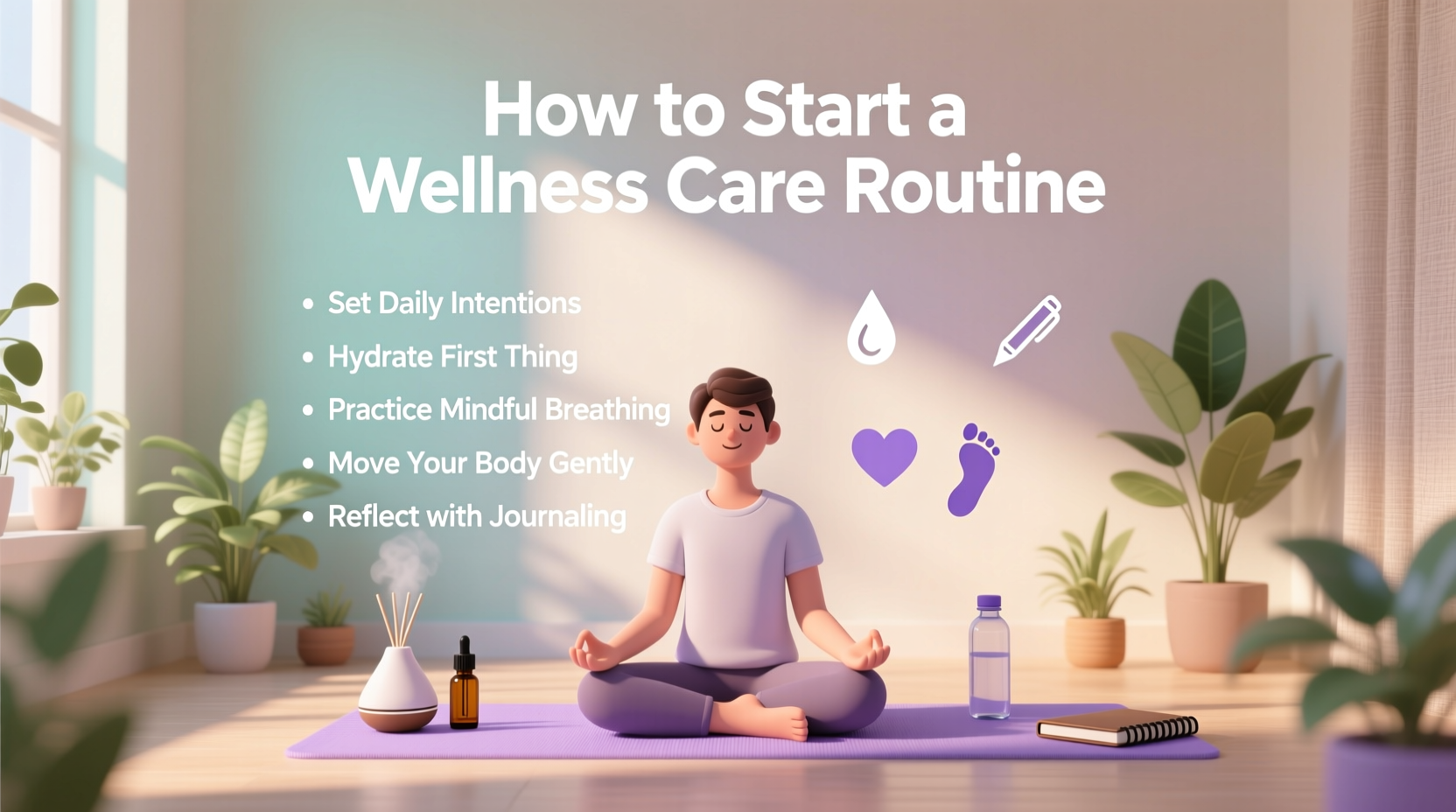
Starting a wellness care routine begins with simple daily habits. Eat healthy food, exercise regularly, and sleep well. Drink enough water and take short breaks to stay active. Small changes in daily life make a big difference for the body and mind.
Plan a balanced schedule for study, rest, and physical activity. Practice mindfulness and control stress with calm breathing or quiet time. Keep track of habits and stay consistent. A wellness care routine improves energy, focus, and emotional balance. It helps students grow strong, disciplined, and ready for school and college life.
Simple Wellness Care Practices You Can Follow
Simple wellness care practices include eating healthy food, exercising daily, and sleeping well. Drinking water, taking short breaks, and staying active help the body and mind. These habits reduce stress, improve focus, and build energy. They support success in school and daily life.
Tips to Maintain Long-Term Wellness
To maintain long-term wellness, follow healthy daily habits. Eat nutritious food, exercise regularly, and sleep well. Manage stress and stay active. Practice self-care and discipline. These tips build energy, focus, and emotional balance. Long-term wellness supports success in school and college life.
FAQ’s
What is wellness care?
Wellness care focuses on keeping the body and mind healthy through daily habits.
Why is wellness care important for students?
It improves focus, energy, and discipline. It also reduces stress.
What are examples of wellness care practices?
Healthy eating, regular exercise, proper sleep, and stress control.
How is wellness care different from traditional healthcare?
Wellness care prevents problems. Traditional care treats sickness.
Can wellness care support long-term health?
Yes, it builds strong habits that support health for life.
Conclusion
Wellness care supports a healthy and balanced life. It helps students build strong habits through proper food, regular exercise, and good sleep. This care improves focus, energy, and emotional control. Wellness care reduces stress and supports daily discipline. These habits create a strong foundation for better health.
By practicing wellness care daily, students prepare for long-term success. It encourages responsibility and self-care. Wellness care supports mental clarity and physical strength. These benefits help students perform better in school and college life. A wellness-focused lifestyle leads to a healthier and more confident future.

Ibrahim is an experienced blogger with 5 years in wellness, gratitude, and blessings content creation. He inspires readers worldwide through mindful living and spiritual wellness insights, continuing his mission at PeacefulBlessing.com your trusted source for positivity and peaceful living.